


Players’ rings will be limited edition of 2,026 individually numbered pieces, with the rest available for public sale.
Published On 17 Jul 202617 Jul 2026
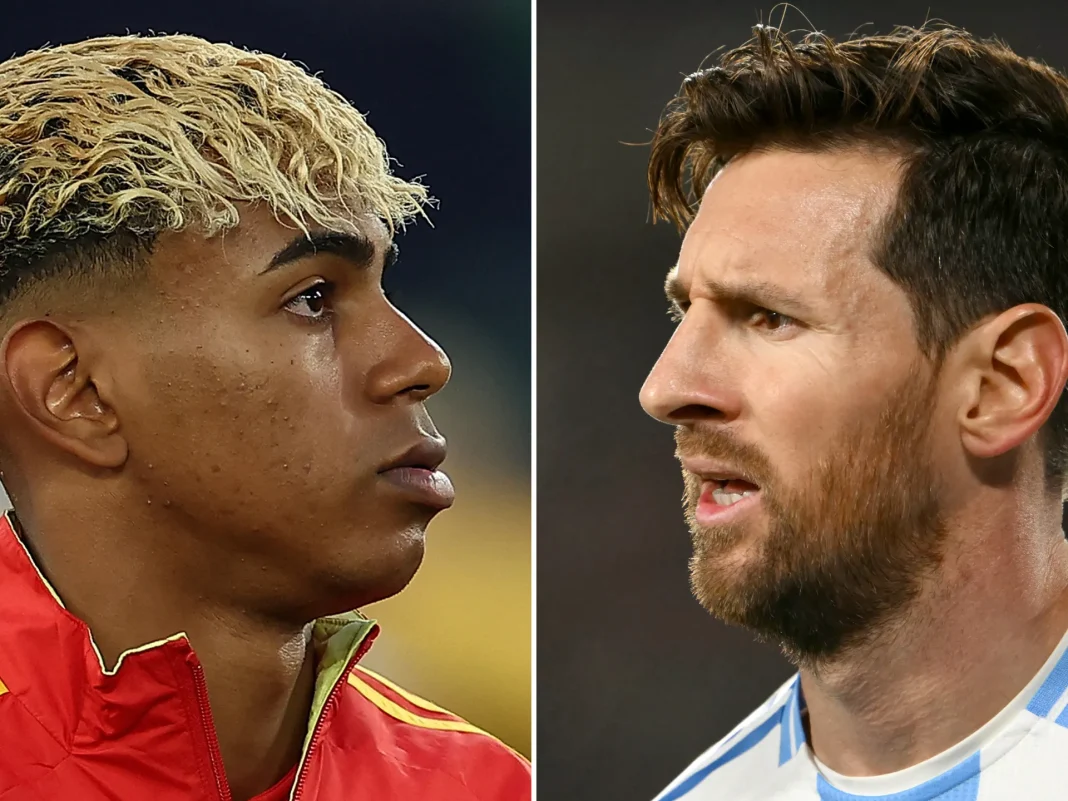
The winners of the World Cup final between Spain and Argentina will receive championship rings in addition to the trophy and gold medals, FIFA has confirmed.
The move, announced on Friday, is seen as the latest sign of the governing body’s push to Americanise its flagship tournament.
FIFA said 30 bespoke rings would be presented to the winning team following the final at New York New Jersey Stadium, with the captain and head coach initially receiving temporary versions immediately after the match.
The rings will then be customised to reflect the identity of the winning team and individually fitted before being presented at a later date.
One side will feature the World Cup trophy, while the other will carry details specific to the champions.
The players’ rings will form part of a limited edition of 2,026 individually numbered pieces, with the remaining 1,996 made available for sale to fans worldwide as officially licensed products.
Championship rings are a longstanding tradition in major North American sports, including the NFL, NBA, Major League Baseball and NHL, but have not previously been awarded at a FIFA competition.
Their introduction caps a tournament in which FIFA has shown increasing willingness to reshape the presentation, and at times even the rhythm, of football in the image of US sport.
Sunday’s final will also feature a major halftime entertainment show, a concept more readily associated with the Super Bowl than the World Cup, while mandatory hydration breaks throughout the tournament have effectively divided matches into quarters.
The three-minute pauses around the 22nd and 67th minutes have been applied regardless of whether conditions made them strictly necessary, with FIFA defending the policy on player-welfare grounds amid the heat and humidity of the North American summer.
But the blanket use of the breaks has drawn criticism from players, coaches and fans who argue they disrupt the flow of matches, give teams additional opportunities to regroup and hand coaches what amount to two extra tactical timeouts.
They have also created mid-half commercial windows, even though FIFA has rejected suggestions the breaks were introduced with advertising in mind.