

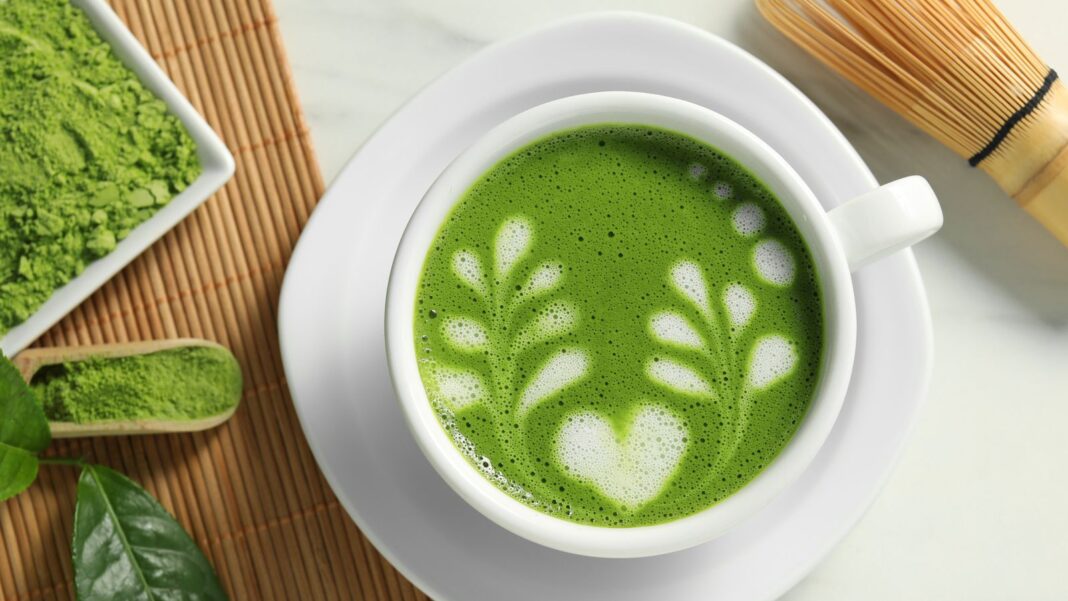

Social media users posting pictures of themselves in hospital after “drinking too much matcha” have caused concerns about its potential health risks.
One, a nurse from Maryland in the US, went viral on TikTok after her video claimed two matcha lattes a week left her with such low iron levels that she was hospitalised with exhaustion.
But experts have stressed that she and others like her had lower-than-usual iron levels before developing their matcha habits.
So what’s the science – and what are the risks?
How does matcha interact with iron?
Matcha powder is made from finely ground green tea leaves, which are high in antioxidants – molecules that protect our cells from those that can cause cancer and other chronic diseases.
But matcha also contains polyphenols or ‘super antioxidants’ called catechins that affect iron absorption.
Although they have beneficial anti-inflammatory properties, catechins bind to some of the types of iron when it passes through the gut, meaning less is absorbed into the blood.
Low iron levels reduce the number of healthy red blood cells, which are vital for carrying oxygen around the body.
Read more:
Surge in the price of matcha as demand soars
Dr Magali Chohan, senior lecturer in nutrition at St Mary’s University, London, says matcha’s antioxidant quality is one of the reasons it has become so popular.
But she adds: “These compounds can also bind to non-heme iron, the type found in plant foods, making it harder for the body to absorb.”
Essentially, this means people don’t get the iron they think they’re getting from vegetables, pulses, and brown bread, leading to lower levels overall.
This can result in the symptoms of iron deficiency anaemia, which include:
• Tiredness
• Breathing problems
• Heart palpitations
• Paler-than-usual skin
• Headaches
• Dizziness
Who is most at risk?
Because matcha interacts specifically with the iron in plant-based foods, vegans and vegetarians are most at risk of it causing a deficiency, Dr Chohan says.
Anyone else already low in iron should also drink it with caution, including pregnant women, those who are menstruating, babies, and people with existing iron deficiencies or anaemia, she adds.
Whereas those who can get their iron from non-heme sources, such as meat and fish, will be less impacted.
Read more from Sky News
Trump falsely links paracetamol to autism
Why has the EU banned gel nail polish?
How well do we know the people we follow online?
Can those who drink it still get their iron?
Yes, Dr Chohan says, adding: “As with any trend, moderation is key.”
Spacing out matcha intake between meals or iron supplements will mean its effects will have waned by the time they are consumed.
If you’re still concerned, vitamin C also helps with non-heme iron absorption, the expert adds.
“It is advisable to avoid drinking matcha alongside iron-rich meals or supplements and increasing iron absorption by pairing plant-based iron with vitamin C, such as a squeeze of lemon on a salad. If in doubt, consult your GP,” she adds.