

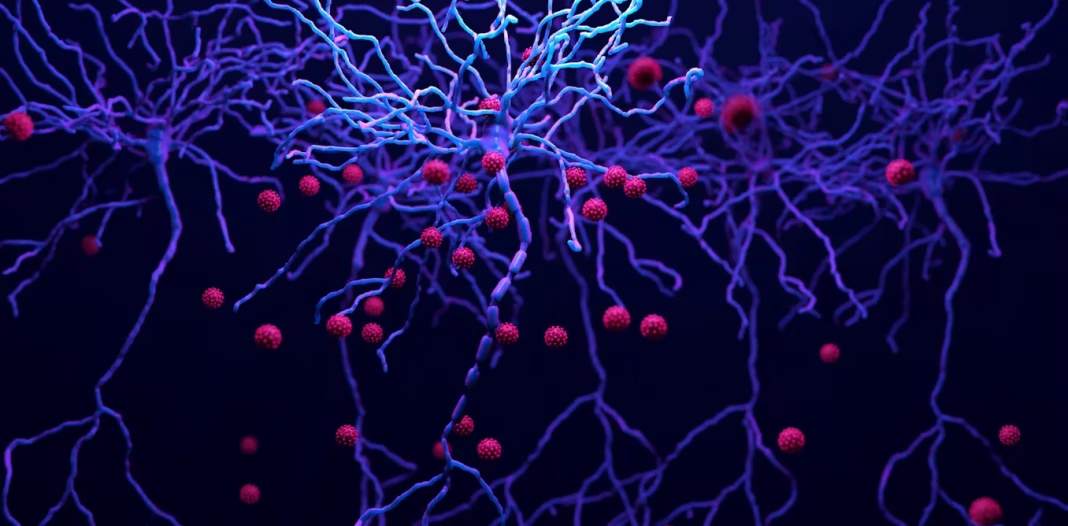

HIV can damage the brain and cause memory and cognitive problems. And once HIV enters the brain, it does not leave.
HIV targets a type of immune cell called helper T cells. These immune cells move throughout the body, including the brain, constantly scanning for pieces of foreign proteins called antigens that typically indicate the presence of a pathogen. When helper T cells detect antigens, they activate other immune cells to clear the infection.
Because HIV infects and depletes helper T cells, it weakens a person’s immune defenses and increases their risk of opportunistic infections, leading to AIDS.
Fortunately, there are lifesaving antiviral drugs that can control HIV and preserve helper T cells. But these antiviral drugs are unable to effectively cross into the brain and spinal cord.
My laboratory studies how helper T cells work, with the goal of developing HIV vaccines and treatments for neurodegenerative diseases. When helper T cells carry HIV into the brain, the virus hides in cells and causes persistent inflammation. This damage can accelerate brain aging.
Currently, there are no treatments to clear HIV from the brain and spinal cord. Researchers have been looking into ways to reduce the stubborn inflammation HIV causes in the central nervous system. But working with our colleagues in the Morrison Lab at UC Davis and the Raeman Lab at the University of Pittsburgh, our study found that a therapy designed to reduce inflammation in the brain and spinal cord can backfire. Instead, it increased virus levels in the brain.
Integrins are integral for viral control
T cells survey the brain and spinal cord using proteins called integrins. Embedded on the surface of cells, integrins allow immune cells to enter different areas of the body.
Researchers are studying whether blocking integrins could help combat inflammation in the brain by blocking immune cells from carrying HIV into the central nervous system. Our team tested this theory by giving rhesus macaque monkeys infected with SIV – a version of HIV that infects nonhuman primates – a multiple sclerosis drug that targets integrins.
However, when our team blocked an integrin called alpha-4 that allows T cells to migrate into the brain, we found that the amount of virus in the brain did not decrease. In fact, the viral load in some brain areas actually increased.
Bring a sniper to viral fight
We took a closer look to figure out why virus levels unexpectedly increased. Blocking the alpha-4 integrin that allow helper T cells into the brain didn’t decrease the level of those immune cells in the brain, we found. It actually reduced the numbers of another type of immune cell: killer T cells.
Unlike helper T cells, which activate other immune cells to clear an infection, killer T cells destroy infected cells. By reducing only the number of killer T cells in the brain, helper T cells continue to carry viruses into the brain, with fewer killer T cells to stop them.
To confirm our reasoning, we isolated immune cells from the brain and looked for the presence of virus and gene activity related to how well these cells were communicating with each other. We also assessed these same variables in the hippocampus, a brain region that plays a key role in regulating memory and cognition.

Giovanne B. Diniz, John H. Morrison, and Smita S. Iyer, CC BY-SA
Both of these approaches pointed to the same conclusions. First, viral levels in the brain were higher in helper T cells following treatment. And second, the ability of killer T cells to interact with key immune cells in the brain was impaired, leading to ongoing inflammation.
Finally, we looked at mice engineered to develop T cells without the alpha-4 integrin. We found that helper T cells, which carry HIV, do not need the integrin to enter the brain, but activated killer T cells do.
Helping the killers
Reducing systemic inflammation in addition to antiviral treatment could help reduce the effects of HIV infection on the brain. Our findings suggest that HIV treatments that target immune cells with higher precision can better combat neurodegeneration instead of causing further damage.
HIV continues to rank among the top three deadliest infectious diseases worldwide. Over 40 million people globally were living with HIV in 2024, and over 22% did not have access to treatment. The Trump administration’s 2025 cuts to global funding for HIV treatments will result in higher rates of HIV infections and deaths.
More support for research on how to harness and modify the immune system to better fight HIV and other infectious diseases can improve the lives of millions of patients.



