

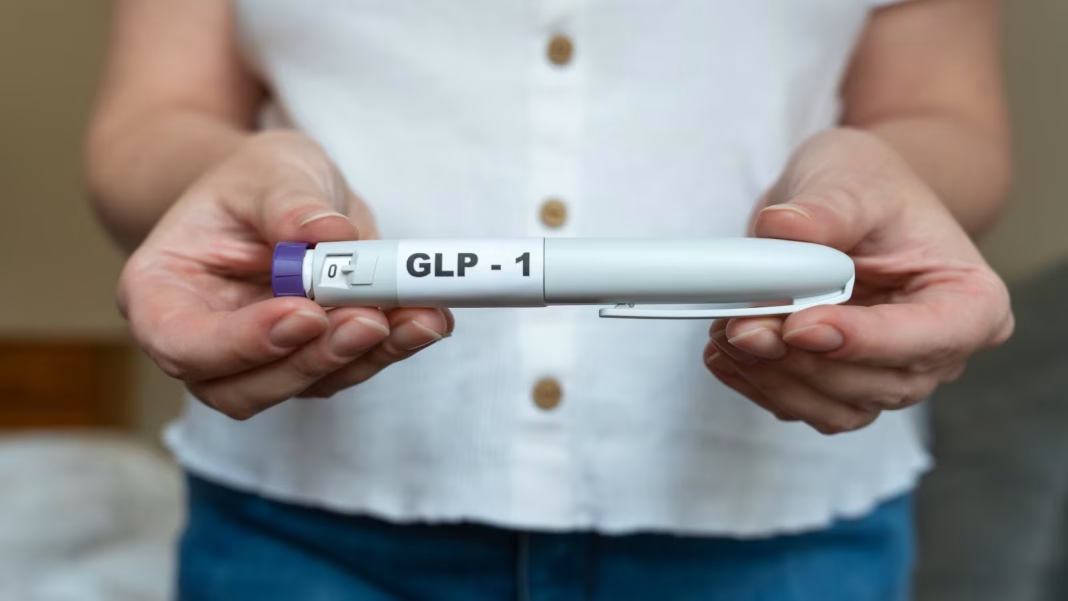

FDA warns of a rare blindness risk linked to GLP-1 drugs; patients should consider balance between treatment benefits and potential dangers.
GLP-1 medications such as semaglutide have brought a significant change in the way we treat type 2 diabetes and obesity. Many patients have reported improved blood sugar levels, significant weight loss, and reduced risk of certain cardiovascular conditions with these medications. But the recent announcement from the US Food and Drug Administration (FDA) of a possible association between these drugs and a rare eye condition has understandably made patients more wary.
Non-arteritic anterior ischemic optic neuropathy (NAION) is an ophthalmic disease that reduces blood flow to the optic nerve, leading to damage and impaired vision. This often results in sudden, painless vision loss, typically in one eye. This condition is rare but could be critical to consider if you have already experienced eye problems from diabetes.
However, a possible link does not necessarily mean a proven cause. Studies are continuing to investigate the possible association with GLP-1 medications and NAION. That alone is enough to raise a potential safety concern. Still, it doesn’t mean every patient who is on semaglutide or other GLP-1 drugs will develop this condition. But we need more studies to determine whether these are related and whether a subset of patients may be vulnerable.
Why do the benefits of GLP-1 treatment still matter?
At the same time, we need to understand the benefits of these drugs. GLP-1 receptor agonists help the body produce insulin when blood sugar is elevated, reduce excess glucagon release, and delay gastric emptying. This helps patients manage their diabetes and lose pounds along the way. Depending on the medication and the patient’s medical profile, GLP-1 treatment can also provide cardiovascular and kidney-related benefits. For many patients, therefore, the advantages extend well beyond weight management.
Individualised treatment and the warning signs patients should know
The decision to prescribe these medicines needs to be individualised. Before starting treatment, endocrinologists should consider the patient’s duration of diabetes, blood sugar control, existing eye conditions, cardiovascular risk factors and overall metabolic health. Patients with a history of eye disease or other conditions that increase the risk of NAION may need a more careful assessment and, where appropriate, an ophthalmologist’s opinion.
Patients should also understand that diabetes itself can affect vision. Diabetic retinopathy and other vascular complications can develop over time, particularly when blood sugar levels remain poorly controlled. Regular eye examinations and good diabetes management are therefore important, irrespective of whether a patient is taking GLP-1 medication.
For those already on these drugs, the advice is not to panic or discontinue treatment on their own. Stopping medication without medical guidance can affect blood sugar control and reverse some of the benefits achieved. However, sudden painless loss of vision, blurring or an unexpected change in vision, particularly in one eye, should never be ignored. Such symptoms need immediate medical evaluation.
Ultimately, when prescribing GLP-1 medications, it is important to weigh the benefits of these drugs against potential risks for each individual. These drugs remain potent tools in the treatment of diabetes and obesity. Still, they must be used judiciously and under careful medical supervision.
Get latest updates on health and wellness along with Health News



