



How your daily skincare habits can affect your hormones. Seven simple ways to improve your skincare routine for better health and well-being.
Sometimes, while trying to take care of our skin a little too much, we tend to forget that some skincare habits may be actually affecting our health in some way, unknowingly. From mindless use of essential oils to chemical-laden fragrance in products – some skincare ingredients can actually disrupt your hormones. A dermatologist says being aware of such harmful ingredients can be a step towards better skin and overall health.
Skincare habits that can disrupt hormones
According to Dermatologist and Skin Specialist Dr Rinky Kapoor, there are certain small skincare habits that people may use every day without knowing how it may be affecting their hormones. In an interview to Health Shots, the expert outlines seven such habits and warns against indiscriminate use.
1. Endocrine-disrupting chemicals
It is tempting to trust skincare products just because you find them at your local drugstore or because they have catchy ads. However, many of these products may contain phthalates and synthetic fragrances, which can disrupt hormones and mimic estrogen. Research published by the Endocrine Society shows that these chemicals can interfere with hormone production, leading to skin that doesn’t look its best.
A study in Environmental Health Perspectives found that repeated exposure to certain substances can accumulate, leading to hormonal imbalances. To avoid these issues, choose brands that are clear about their ingredients. “Look for natural or organic options that do not contain questionable chemicals,” Dr Kapoor tells Health Shots.
2. Over-exfoliation
The desire for quick results can lead to over-exfoliating our skin. But doing this too much and too often can damage our skin’s natural barrier. “This can cause inflammation and increase cortisol levels, our body’s primary stress hormone“, says Dr Kapoor. High cortisol not only damages our skin, making it look dull and tired, but also affects other hormones that control sleep, mood, and metabolism. The dermatologist suggests “limiting exfoliation to 2-3 times a week which allows your skin to naturally heal and renew itself. your skin is like a sensitive ecosystem; taking your time helps keep it healthy and balanced.”
3. Synthetic retinoids
Retinoids have become popular in skincare because they can help reduce signs of ageing. However, they can also pose risks, mainly if used without proper guidance. “Some forms, like topical and oral synthetic retinoids, can affect hormone-sensitive processes in the body”, says Dr Kapoor. For example, isotretinoin can change hormone levels. This medication is not safe to use during pregnancy due to associated risks. Before starting a retinoid routine, it’s good to talk to a dermatologist. “They can help you create a skincare plan that meets your hormonal health needs”, says the dermat. This way, you can achieve smoother skin without risking your health.
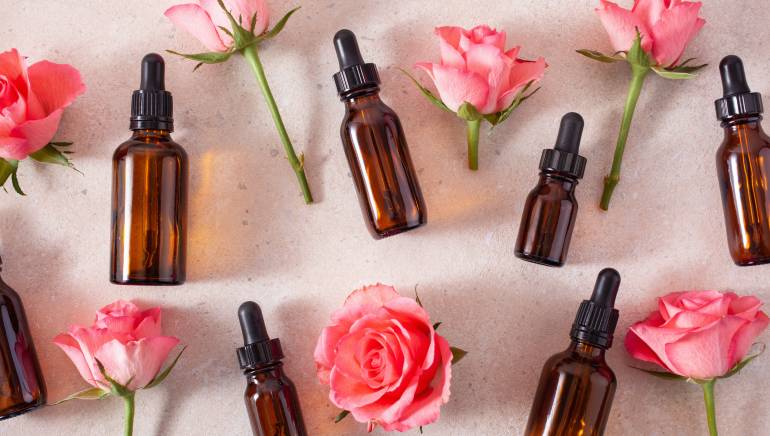
4. Essential oils
Essential oils have become very popular because many people believe they offer natural benefits. However, not all essential oils are the same. Lavandin and tea tree oil, which are often used, can affect hormones. A study published in Frontiers in Environmental Science has found that they can have estrogen-like effects and block male hormones. In rare cases, using these oils has been linked to breast growth in young boys. Be careful with essential oils. Always dilute them properly, and watch how often you use them. Each drop is powerful, so being mindful can help protect your skin and hormones.
5. Saying no to sun protection
Who doesn’t want glowing complexion? But spending time in the sun without proper protection can harm your skin and upset your hormonal balance. “When you don’t protect your skin well, it can lead to oxidative stress, which can cause inflammation”, says the skin specialist. This inflammation can affect important hormones, such as cortisol and thyroid hormones. UV radiation can interfere with the production of vitamin D, which is important for making hormones. “It is important to use a broad-spectrum sunscreen with a high SPF every day,” says the skin expert. This protects your skin from harmful rays and supports your endocrine system.
6. The fragrance factor
Have you ever looked at your product labels and seen the words ‘fragrance’ or ‘parfum’? These terms often mask a mix of chemicals, many of which can disrupt your hormones. “Using heavily fragranced products every day, such as cleansers and moisturisers, can lead to a harmful buildup in your system, putting extra strain on your hormonal balance,” says the specialist. Choose unscented or naturally scented products to reduce exposure to potentially harmful chemicals. “Your skin may react better, and avoiding these chemicals could help your skin look clearer and healthier,” shares the doctor.
You may also like


7. Gut-skin-hormone connection
Skincare is not just about what you put on your skin. It’s important to think about your overall health. Your gut health affects how your skin looks and how your hormones work. “The gut microbiome is closely connected to hormone balance, inflammation, and skin health,” says the expert. When your gut lacks balance, it can show on your skin, worsening conditions like acne, eczema, and psoriasis. Include probiotic-rich foods in your diet, like yoghurt, kimchi, or leafy greens. “A healthy gut can improve your skin and hormones,” explains the expert. This balanced approach to skincare looks at both internal and external factors.



